




Secure Disk Hidden Partition USB Flash Drives
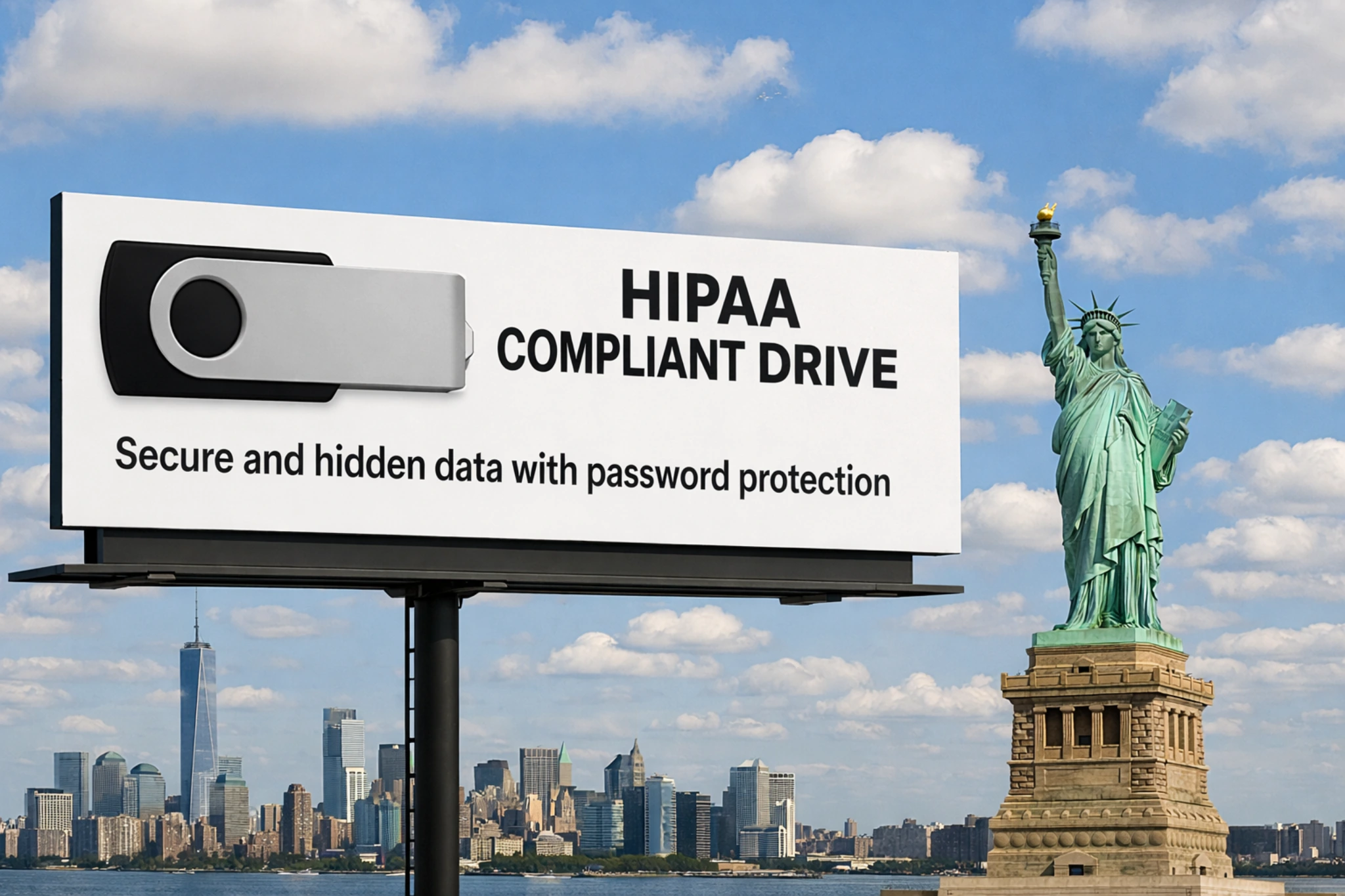
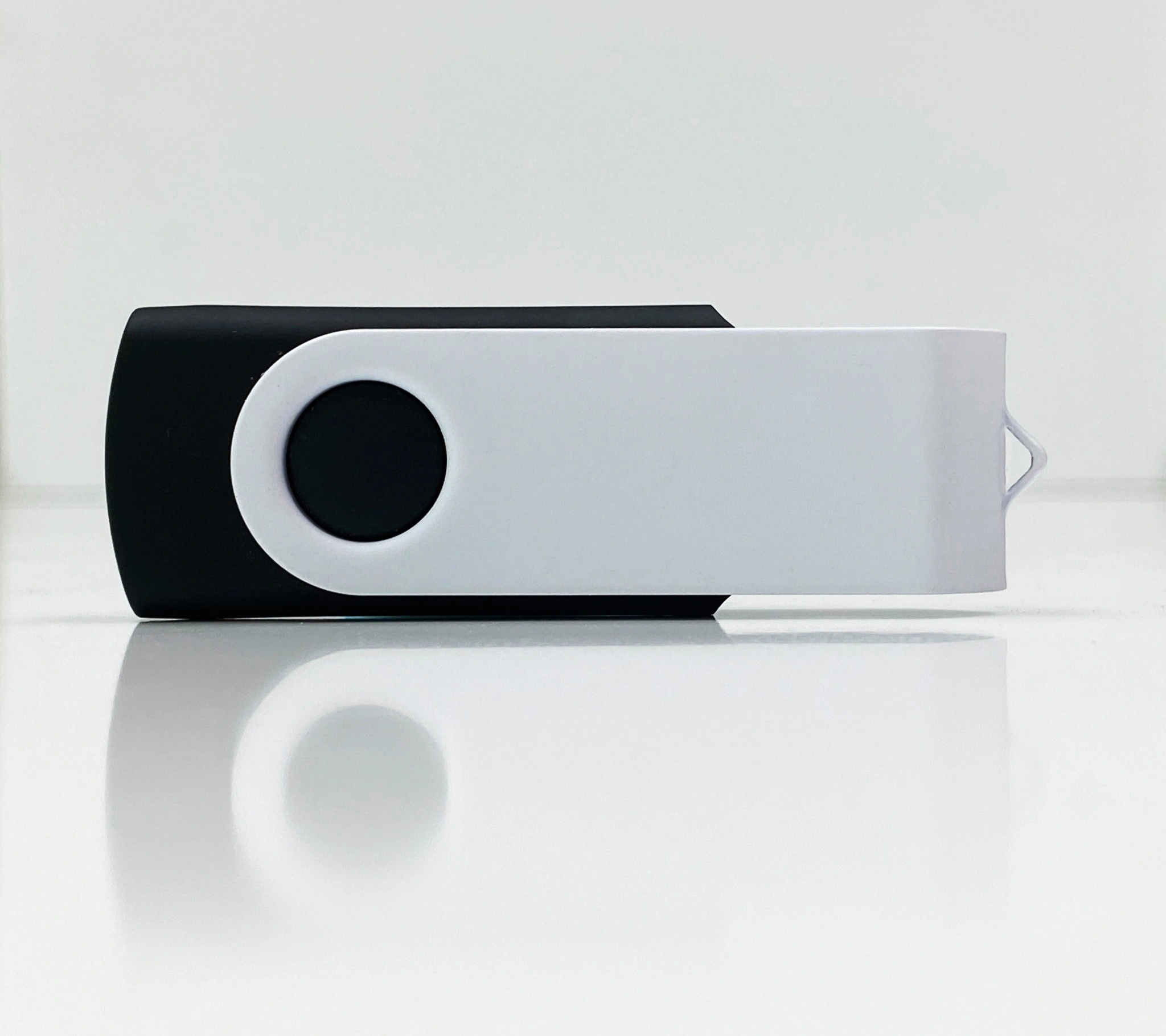
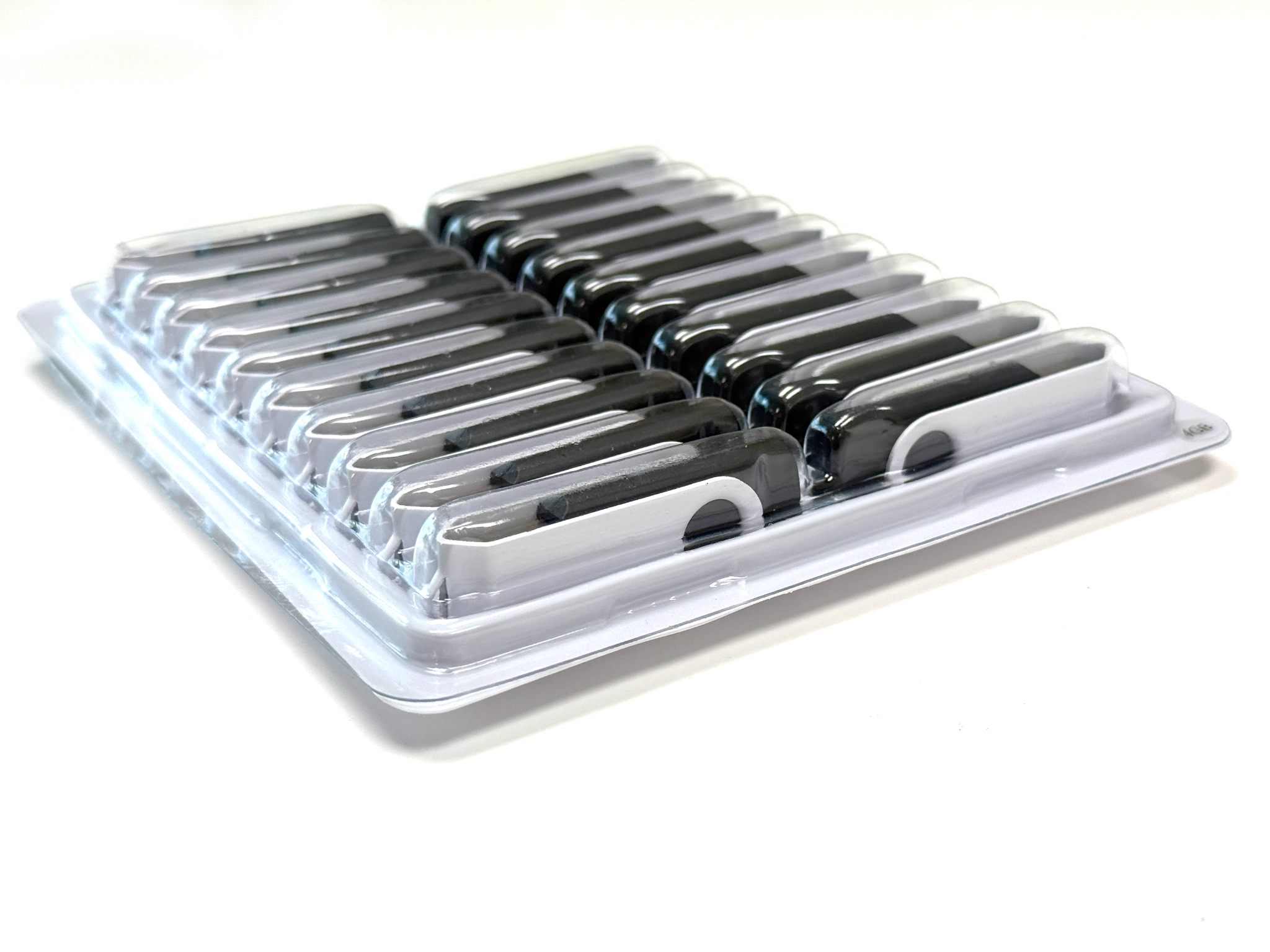
Nexcopy Secure Disk USB flash drives feature hardware-isolated data protection through a controller-level hidden partition architecture. Engineered to protect sensitive data during offline distribution, the secure partition remains completely abstracted from the host operating system’s low-level disk inquiries. Until a successful, hardware-validated cryptographic handshake occurs, the data volume does not exist to sector scanners, automated malware trackers, or unauthorized users.
Controller Hidden Partition
HIPAA Regulatory Baseline
The Secure Disk Architecture Advantage
| Security Boundary | Nexcopy Secure Disk Media | Software Encryption Containers / BitLocker |
|---|---|---|
| OS Visibility | Zero-State Abstraction: The partition table does not advertise the secure volume block until unlocked. Host operating systems cannot find, map, or target the unauthenticated space. | Exposed Targets: Encrypted volumes, VHD containers, and BitLocker partitions are fully visible to the OS. They assign a raw drive letter, leaving headers vulnerable to brute-force attacks. |
| Session Lifecycle | Hardware Re-Locking: Removing interface power instantly breaks the authenticated channel. The flash controller resets to its hidden base state without software agent dependencies. | Volatile Sessions: Cached decryption tokens or delayed unmounting behaviors can keep containers unlocked after usage, exposing files if a machine is compromised. |
| Frictionless Access | On-Chip Execution: Security validation executes directly inside the controller. Operates on standard Windows environments without local admin rights or driver installations. | High Admin Friction: Demands local administrative permissions to run host-side mount scripts, specialized decryptors, or matching OS corporate configurations. |
| Cross-Platform Perimeter | Deterministic Isolation: Intentionally limits secure volume enumeration to validated Windows nodes, preventing unintended data exposure on untrusted platforms. | Permissive Boundaries: Standard file systems try to open containers across multiple unmanaged platforms, increasing the surface area for forensic parsing. |
Industrial & Enterprise Deployment
HIPAA Healthcare Compliance
Distribute protected health information (PHI), clinical imaging records, and diagnostic lab data between providers and clinics on a physical platform that satisfies institutional audit parameters.
Corporate Litigation & Legal Discovery
Deliver sensitive case files, internal audits, and high-stakes evidentiary materials to external legal counsels and courts with absolute, password-gated storage isolation.
Banking & Financial Operations
Manage the safe physical transit of institutional portfolio ledgers, proprietary market algorithms, and customer audit data on media that remains completely dark until authorized.
Hardware-Isolated Access Control
Secure Disk eliminates organizational liability risks during physical file distribution by moving data visibility from software levels down into the core silicon logic.
Mitigate human oversight. The moment a user disconnects the drive or the host terminal enters a power-saving sleep cycle, the controller closes the data channel instantly.
Deploy without deployment friction. Recipients authenticate secure environments through an embedded utility execution path, bypassing corporate software blockades.
Standardize your organization’s physical asset fleet. Secure Disk layouts support custom corporate color pantones, laser-etched serial logs, and tailored authentication splash interfaces.
Secure Disk Technical Specs
Controller-Enforced Hidden Partition
Hidden memory block stays unallocated and hidden until physical credentials match
Part Number: USBxSDxDR
Industrial USB 2.0 & 3.0 configurations across capacities starting from 2GB
CE, FCC, RoHS, TAA Compliant
Manufactured utilizing a locked industrial Bill of Materials (BOM) for zero-variance batch delivery
Complete Your Controlled USB Production Environment
Operational Deployment Video Guides
Secure Disk Technical FAQ
Is the hidden data partition controlled by the hardware controller chip?
Yes. The separation and masking of the secure sector space are managed entirely at the hardware level by the mass storage device’s internal physical silicon controller. Because the hidden partition is hardcoded into the controller firmware, it is invisible to host operating systems, raw disk editing utilities, and forensic scanners until a successful hardware security challenge is completed.
How large is the hidden partition on the device?
The hidden partition encompasses the full native gigabyte (GB) storage capacity purchased for the hardware module (minus the nominal overhead allocated to the initialization partition). This architecture ensures that your secure corporate payloads, private databases, or confidential installation assets can utilize the drive’s primary solid-state memory architecture without arbitrary software caps.
Is there a second partition visible on the drive before authentication?
Yes. When connected to a host workstation, the drive mounts a primary, public read/write partition precisely 20 megabytes (MB) in size. This public sector space is dedicated exclusively to hosting the device’s internal authentication utility and login software, giving users immediate cross-platform execution access to enter passwords without requiring pre-installed administrative client drivers on the host machine.
How is the password defined to unlock and access the secure disk?
The administrator or end-user assigns the security password during the device’s first structural use. Nexcopy does not pre-assign or configure passwords before shipment, and there is no factory master backdoor. If the user-defined password is lost or brute-forced past its threshold, the hardware controller executes a total cryptographic self-destruct sequence, permanently scrambling the security key block and rendering the hidden partition data completely unrecoverable.
Enforce Hardware-Isolated Compliance Safeguards
Organizations evaluating Nexcopy Secure Disk media for HIPAA data management, secure file distribution, or offline asset privacy controls can coordinate qualification reviews immediately. Contact our engineering lab to arrange pilot testing blocks, pull compliance records, and verify physical batch configuration allotments.